
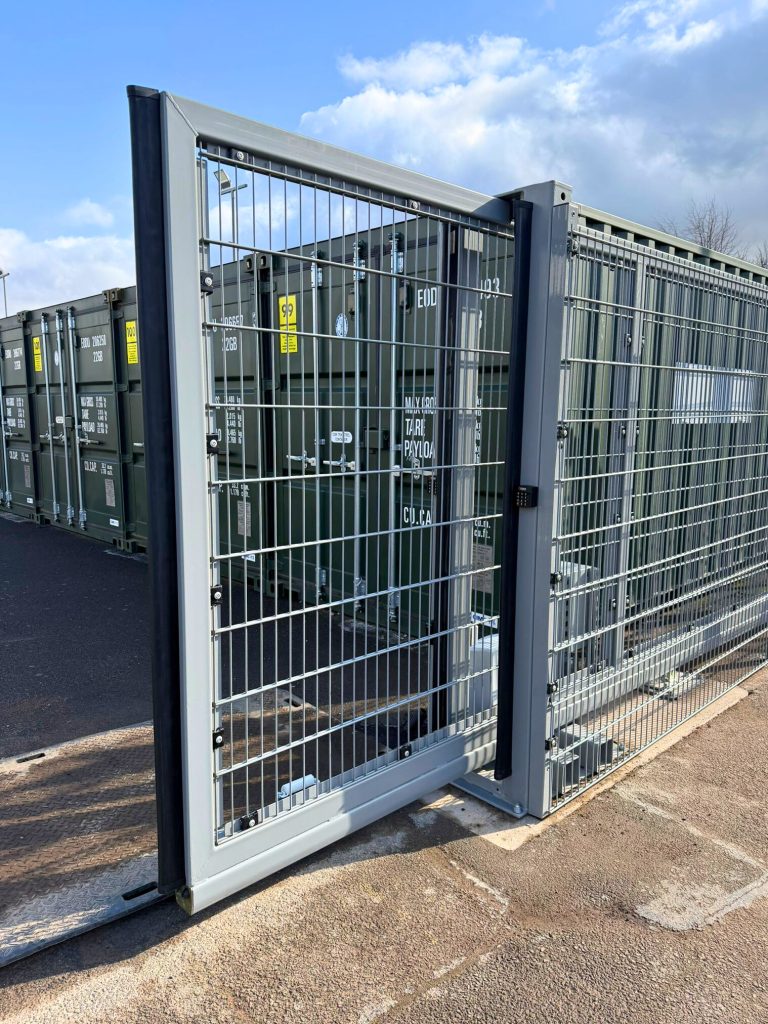
Automatic gates, barriers, rising bollards and access control systems are now a common part of modern facilities management. They help control access, improve site security and support the smooth movement of vehicles and pedestrians across commercial, industrial and public sector properties.
However, these systems are not simply security features. They are also pieces of work equipment that can present significant safety risks if they are not installed, maintained and inspected correctly. This is where the Provision and Use of Work Equipment Regulations 1998 (PUWER) become highly relevant.
For facilities managers, understanding how PUWER applies to perimeter security equipment is essential, not only for compliance but also for protecting your staff, visitors, contractors and the organisation itself.
PUWER requires employers and those responsible for work equipment to ensure that equipment provided for use at work is:
The regulations apply to a wide range of equipment, including automatic gates, barriers, traffic control systems and other powered perimeter security equipment found on commercial sites.
If an employee, contractor or visitor is injured due to unsafe equipment, questions will quickly be asked about whether the system was correctly installed, maintained and inspected.
Unlike many other pieces of equipment, automatic gates and barriers interact directly with both vehicles and pedestrians every day. A malfunctioning gate can cause injury, vehicle damage, business disruption and significant liability issues. These common risks include:
Many facilities managers inherit existing systems that may have been installed years ago by contractors who are no longer trading or who cannot provide adequate documentation. Unfortunately, just because a gate appears to operate normally does not mean it meets current safety expectations.
One of the most common misconceptions is that compliance is achieved once the gate has been installed. In reality, safety and compliance depend on the entire lifecycle of the system.
A professionally installed gate should be designed with appropriate safety measures, correctly configured force settings, suitable safety devices and comprehensive documentation. However, even the best installation can become unsafe if maintenance is neglected.
Photocells can fail. Safety edges can become damaged. Mechanical components wear over time. Environmental conditions can affect performance. What was compliant on day one may no longer be compliant several years later without regular inspection and servicing.
A structured maintenance programme is often one of the strongest ways for facilities managers to demonstrate that they are taking reasonable steps to manage risk. Regular servicing helps identify issues before they become safety hazards or operational failures. It also creates an audit trail showing that the equipment is being actively monitored and maintained.
A typical maintenance visit should include:
This proactive approach not only supports compliance but also helps reduce unexpected breakdowns and costly emergency repairs.
When facilities managers outsource installation or maintenance work, they are placing trust in the contractor’s expertise. The quality of workmanship, understanding of safety standards and thoroughness of inspections can have a direct impact on the safety of the system.
Choosing a contractor should involve more than comparing quotations. Experience, technical knowledge, industry training, documentation processes and long term support capability should all be considered.
A contractor who understands both the technical requirements of automatic gates and the practical responsibilities placed on facilities managers can become a valuable partner in managing compliance and reducing risk.
In the event of an incident, documentation often becomes just as important as the equipment itself. Facilities managers should ensure they have access to:
Maintaining accurate records demonstrates due diligence and helps provide evidence that equipment is being managed responsibly.
For most facilities managers, the objective is not simply to meet a regulation. It is to ensure the site remains safe, secure and operational while reducing the likelihood of incidents and unexpected costs.
Automatic gates and barriers are often among the hardest working pieces of equipment on a site. They operate hundreds or even thousands of times each week and are exposed to weather, traffic and constant use.
Regular inspection, planned maintenance and support from a competent contractor are some of the most effective ways to keep these systems operating safely and reliably.
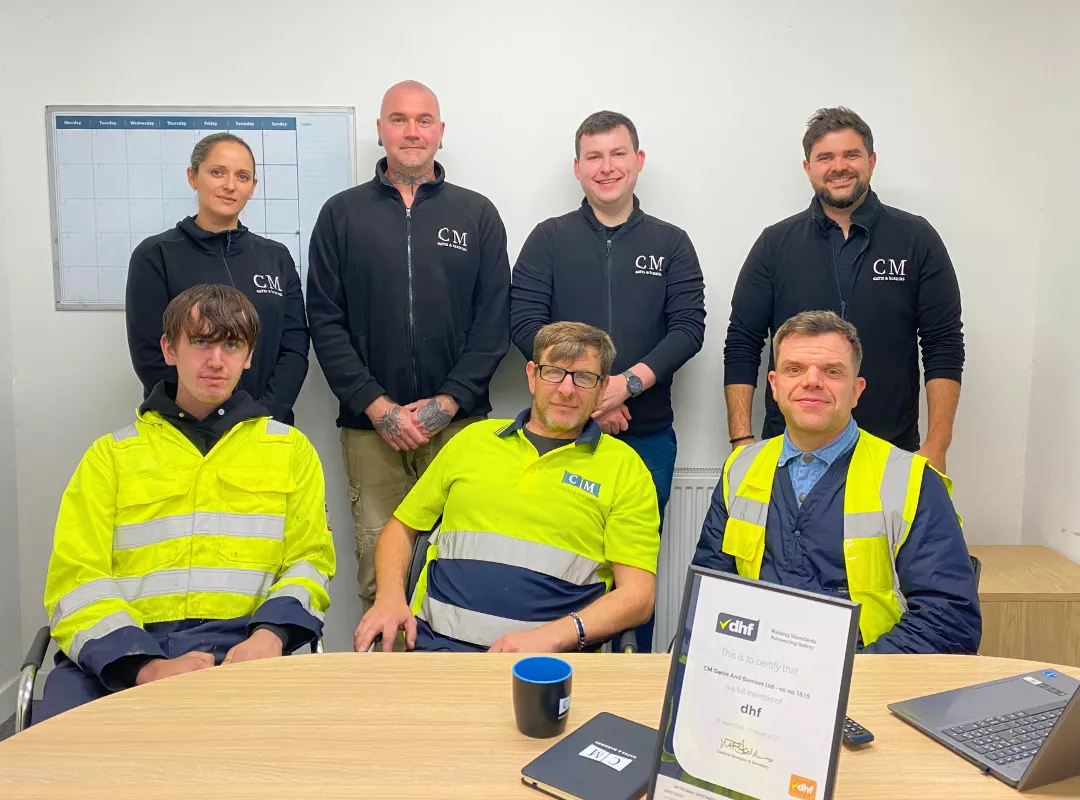
At CM Gates & Barriers, we work with facilities managers across Scotland to help maintain safe, reliable and compliant perimeter security systems.
Our team provides installation, servicing, repairs and ongoing support for automatic gates, barriers, bollards and access control systems. We focus on delivering thorough inspections, clear reporting and practical advice that helps clients manage risk while keeping their sites operating efficiently.
Whether you are responsible for a commercial property, industrial facility, housing development or public sector site, regular professional maintenance can provide confidence that your perimeter security equipment continues to perform safely and reliably for years to come.
CM GATES & BARRIERS LTD is registered as a limited company in Scotland under company number SC591844
Registered Address: 4 Polbeth Industrial Estate, Polbeth, West Calder, Scotland, EH55 8TJ
We have many happy customers across Glasgow, Edinburgh, Aberdeen, Dundee, Paisley, East Kilbride, Livingston, Dunfermline, Hamilton, Cumbernauld, Kirkcaldy, Inverness, Perth, Kilmarnock, Ayr, Coatbridge, Greenock, Glenrothes, Stirling, Airdrie, Falkirk, Irvine, Dumfries, Motherwell, Rutherglen, Cambuslang, Wishaw, Bearsden, Newton Mearns, Clydebank, Elgin, Renfrew, Bishopbriggs, Bathgate, Arbroath, Kirkintilloch, Musselburgh, Dumbarton, Bellshill, Peterhead, St Andrews, Bonnyrigg, Barrhead, Blantyre, Penicuik, Grangemouth, Kilwinning, Broxburn, Johnstone, Larkhall or Erskine. Call us today for a free quote.
Terms of Use | Privacy & Cookie Policy | Trading Terms
© The content on this website is owned by us and our licensors. Do not copy any content (including images) without our consent.