

Security has always been an important responsibility for facilities managers, but expectations are changing. The introduction of the Terrorism (Protection of Premises) Act 2025, more commonly known as Martyn’s Law, reflects a growing focus on preparedness, protective security and the safety of people within publicly accessible premises.
The legislation was introduced following years of campaigning by Figen Murray after the Manchester Arena attack in 2017. Its purpose is to improve public safety by requiring those responsible for certain premises and events to consider the threat of terrorism and take proportionate steps to reduce risk.
For many organisations, Martyn’s Law is not about creating fortress-like environments or implementing excessive security measures. It is about understanding risk, improving preparedness and ensuring appropriate measures are in place should the worst happen.
One of the biggest misconceptions surrounding Martyn’s Law is that it only applies to large stadiums, arenas or major public events. In reality, a wide range of publicly accessible premises may fall within the scope of the legislation, depending on their occupancy levels and how they are used.
This may include:
While the exact requirements vary depending on the size and nature of the premises, the overall message is clear. Organisations are expected to think proactively about security and preparedness rather than waiting until an incident occurs.
For facilities managers, Martyn’s Law is unlikely to mean a complete overhaul of existing operations. Instead, it encourages organisations to review their current arrangements and identify potential vulnerabilities. Questions worth asking include:
The answers will be different for every site, but the process of asking these questions is often where meaningful improvements begin.
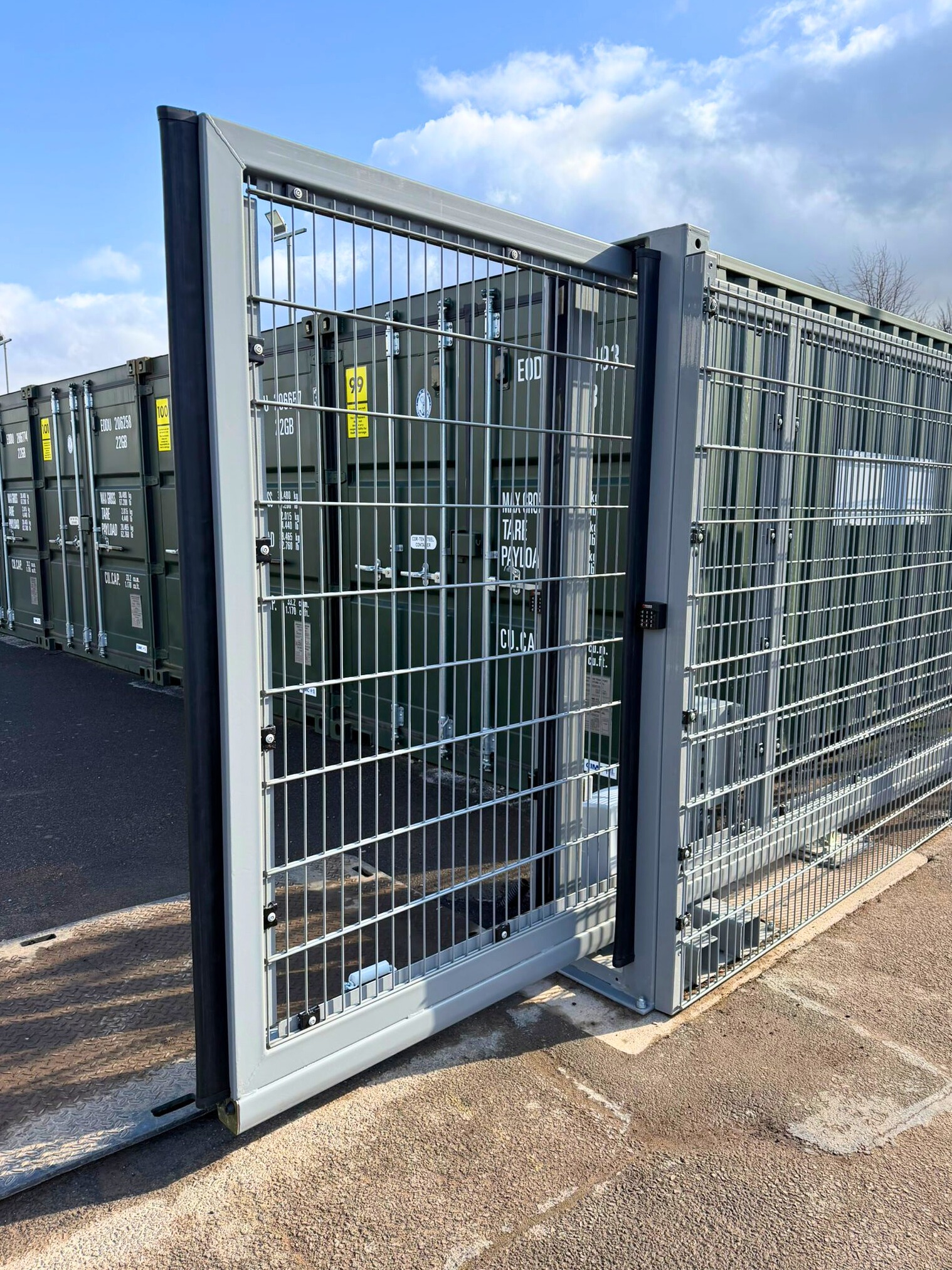
When discussing site security, many people immediately think of CCTV systems, alarms and security personnel. However, security starts long before someone reaches the front door. The perimeter is often the first opportunity to control access, direct visitors and manage vehicle movements around a site.
A well-designed perimeter security strategy may include:
While Martyn’s Law does not specifically require organisations to install gates, barriers or access control systems, it does encourage responsible persons to assess vulnerabilities and consider reasonable protective measures appropriate to their site. For many facilities managers, perimeter security forms an important part of that wider security strategy.
A security measure is only effective if it works when it is needed. Unfortunately, many organisations rely on gates, barriers and access control systems that receive little attention until a fault occurs. A barrier stuck in the open position, an unreliable gate operator or a failed access control system may not only affect day-to-day operations but could also reduce the effectiveness of the site’s security measures.
This is why maintenance should be viewed as part of a wider security strategy rather than simply a reactive repair service. Regular servicing helps identify faults, maintain reliability and ensure critical infrastructure remains operational when required.
Although Martyn’s Law focuses on publicly accessible premises, the wider principles of preparedness and protective security are relevant across many sectors. This includes organisations operating:
These environments have long recognised the importance of controlling access, protecting assets and maintaining reliable perimeter security systems. The growing focus on protective security simply reinforces the value of taking a proactive approach.
Martyn’s Law is part of a wider trend towards stronger security awareness and better preparedness. For facilities managers, this presents an opportunity to review existing arrangements, identify vulnerabilities and ensure security infrastructure is fit for purpose.
Perimeter security alone is not the answer to every risk. However, it can play an important role in helping organisations control access, improve security and support broader site management objectives.
At CM Gates & Barriers, we work with facilities managers across Scotland to design, install and maintain perimeter security systems that support both operational efficiency and site security. From automatic gates and barriers to access control systems, planned maintenance and long-term support, we help organisations create safer, more controlled environments.
Whether you’re responsible for a school, hospital, commercial premises, industrial facility or high-risk site, having reliable perimeter security is about more than controlling access.
It’s about protecting people, managing risk and ensuring your site is prepared for the future.
CM GATES & BARRIERS LTD is registered as a limited company in Scotland under company number SC591844
Registered Address: 4 Polbeth Industrial Estate, Polbeth, West Calder, Scotland, EH55 8TJ
We have many happy customers across Glasgow, Edinburgh, Aberdeen, Dundee, Paisley, East Kilbride, Livingston, Dunfermline, Hamilton, Cumbernauld, Kirkcaldy, Inverness, Perth, Kilmarnock, Ayr, Coatbridge, Greenock, Glenrothes, Stirling, Airdrie, Falkirk, Irvine, Dumfries, Motherwell, Rutherglen, Cambuslang, Wishaw, Bearsden, Newton Mearns, Clydebank, Elgin, Renfrew, Bishopbriggs, Bathgate, Arbroath, Kirkintilloch, Musselburgh, Dumbarton, Bellshill, Peterhead, St Andrews, Bonnyrigg, Barrhead, Blantyre, Penicuik, Grangemouth, Kilwinning, Broxburn, Johnstone, Larkhall or Erskine. Call us today for a free quote.
Terms of Use | Privacy & Cookie Policy | Trading Terms
© The content on this website is owned by us and our licensors. Do not copy any content (including images) without our consent.

